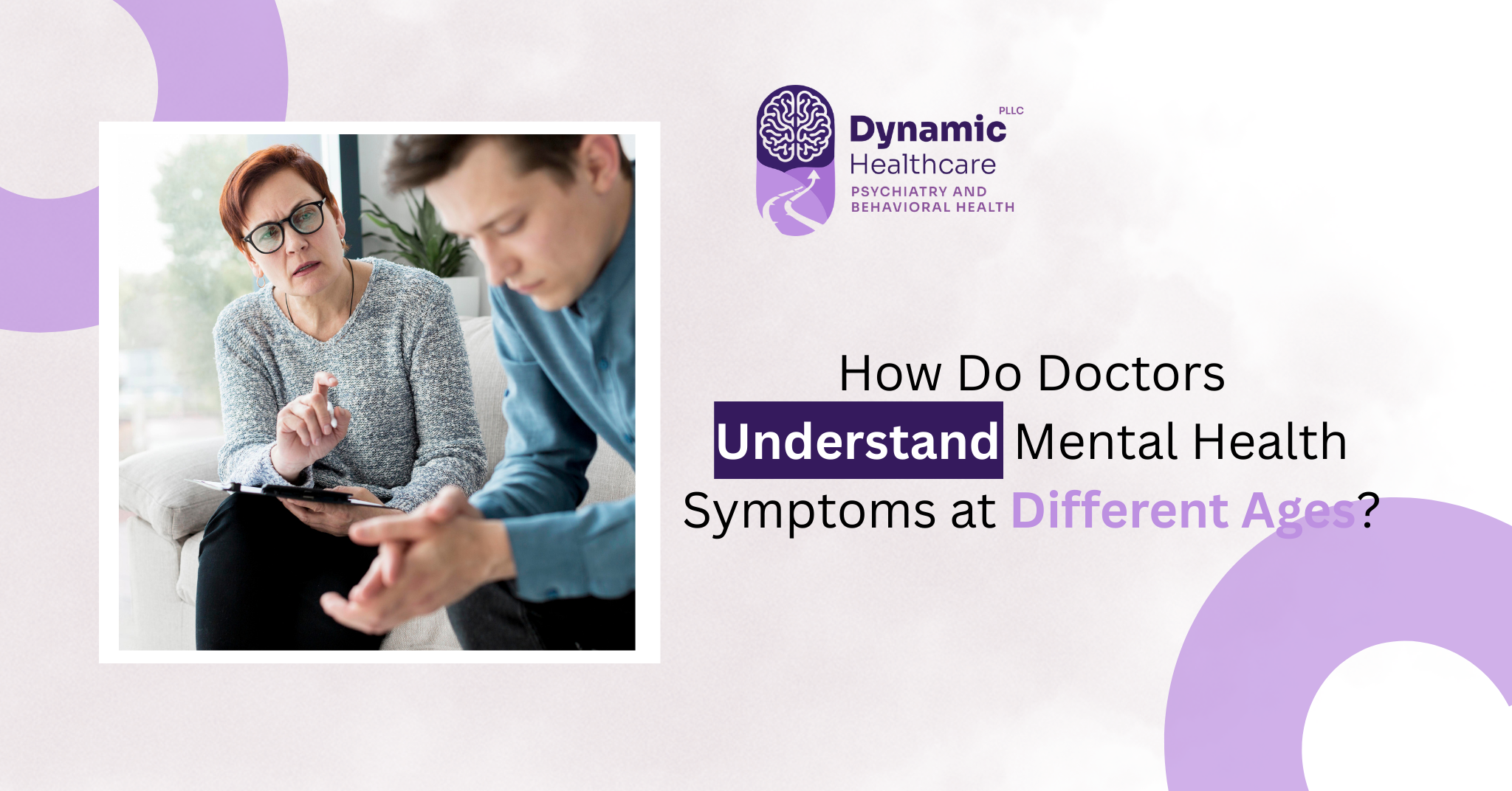
Back pain can be one thing. Mental health signs change with age. Doctors look at your age to know what the signs mean. This helps them give the right care.
Why Age Matters
Children, teens, adults and older adults grow in different ways. A sign that is normal for one age can be a problem for another. We look at how people act, learn, sleep and play to find out what is going on.
How Doctors Look for Signs
Doctors ask simple questions. We listen to you and to your family. We watch how you act. We check your health and talk about your life. We use short tests and forms that fit the person’s age.
Signs in Children
Children may not use words to say how they feel. They might cry a lot, miss school, or have trouble sleeping. They may act angry or not want to play. Doctors talk to parents and teachers. We may use play or drawings to learn how a child feels.
Signs in Teens
Teens try to be more independent. They may seem moody. They may sleep more or less. They might stop liking the things they used to enjoy. They may take risks or use drugs. We talk with the teen and family. We check school work and friends. We watch for thoughts of hurting themselves.
Signs in Adults
Adults may feel sad or nervous. They might have hard time at work or in relationships. Adults may drink more or use drugs to cope. We ask about work, sleep, eating and habits. We look at how symptoms change daily.
Signs in Older Adults
Older adults may forget things or seem more quiet. They can feel sad after loss. Sometimes a health problem or medicine can change mood. We check medicines, body health and thinking skills to find the cause.
Tools Doctors Use
We use tests that match the person’s age. For kids, tests may use pictures or play. For teens and adults, we use simple questionnaires. For older adults, we test memory and thinking.
We also do a health check. Some body problems can look like mental health issues. We may test blood or check sleep. We make sure to rule out other causes.
How Doctors Make a Plan
After we learn the story, we make a plan with you. Plans can include:
- Psychiatric evaluation and diagnosis to name the problem.
- Medication management when medicine can help.
- Psychotherapy and counseling to talk and learn new skills.
- Telepsychiatry and in person visits so care fits your life.
- Mental health screening and monitoring to watch progress.
- Substance use and dual diagnosis care when both mental health and substance use are present.
We explain things in simple words. We ask what you want. We work with you and your family.
Why Family and School Matter
Doctors ask parents, teachers and caregivers about what they see. This helps find patterns. Kids act differently at home and at school. Teens may hide feelings from parents. Getting info from many people gives a clearer view.
How We Help at Dynamic Healthcare PLLC
We are in Raleigh, North Carolina. We provide kind, patient-centered care. We do psychiatric evaluations and diagnoses. We manage medicines carefully. We offer therapy for people of all ages.
We meet people in the clinic or online. Telepsychiatry makes it easier to get help from home. We screen and monitor mental health over time. We help with substance use and dual diagnosis care. We also teach staff and mentor new nurse practitioners.
We want you to feel safe and heard. We make plans that fit your life. We work with you step by step. Contact us today.
When To Get Help
If you or someone you care about shows big changes in mood, sleep, eating, school, or work, get help. If there are thoughts of hurting oneself, get help right away. Speaking with a doctor can bring relief. Early help often makes a big difference.
Simple Steps You Can Take
- Tell a trusted adult or friend how you feel.
- Keep notes about sleep, mood and actions.
- Share what you see with your doctor or teacher.
- Ask for help from a mental health clinic or your family doctor.
- Follow the plan the doctor makes and come back for checkups.
What To Expect at Your Visit
We will ask about your health and daily life. We will ask who lives with you and how you sleep and eat. We will talk about school or work. We will ask about medicines and past health problems. We may give short tests or ask family members for their view.
We will then explain what we think. We will offer options. You choose what feels right. We will make follow-up plans.
FAQs
Q. Will I always need medicine?
Not always. Some people do best with talk therapy. Some need medicine and therapy. We help you pick the best plan.
Q. How does Dynamic Healthcare PLLC help?
We give kind care in Raleigh, North Carolina. We do evaluations, medicine checks and therapy. We see people in clinic and online. We help with many needs, including substance use and staff training.



No comment